
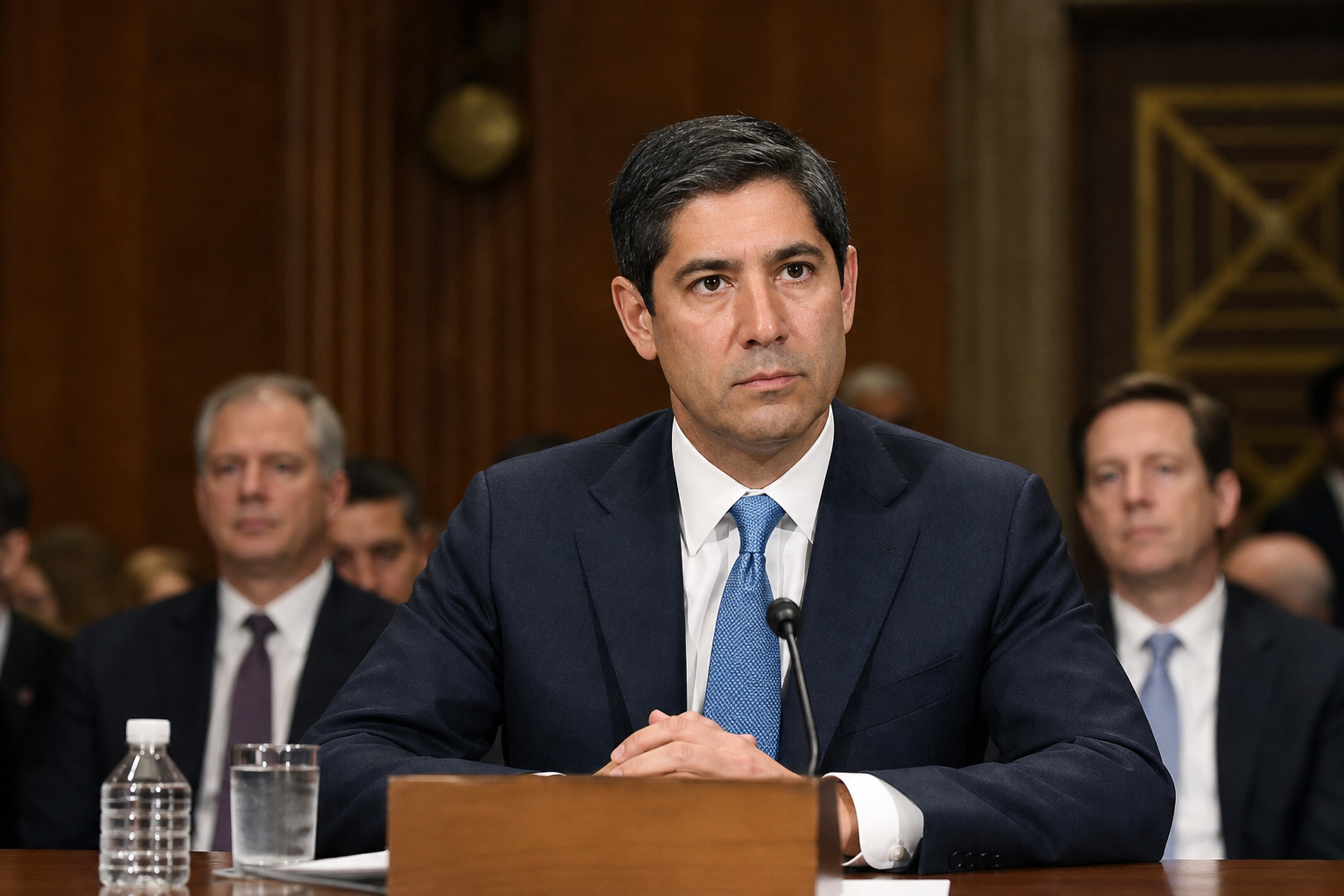
The U.S. Senate confirmed Kevin Warsh as Federal Reserve Chair on May 13, 2026, in a 54-45 vote that stands as the most divisive in modern history.
Warsh, 56 and a former Fed governor, succeeds Jerome Powell whose term ends May 15, 2026.
The confirmation occurred under intense pressure from the Trump administration to cut interest rates even as inflation climbs due to ongoing geopolitical tensions.
White House spokesman Kush Desai welcomed the outcome in direct terms. "The Senate's confirmation of Kevin Warsh as the next Chairman of the Federal Reserve is a welcome step towards finally restoring accountability, competence, and confidence in Fed decision-making."
Rep. French Hill, R-Ark., echoed the focus on policy discipline. "Chairman Warsh has repeatedly emphasized the importance of placing affordability and price stability at the center of our economic agenda. His commitment to disciplined monetary policy will help restore confidence in our economy and support long-term prosperity."
Markets reacted swiftly as traders priced in the possibility of earlier rate reductions. Financial analysts noted immediate shifts in bond yields and equity futures following the vote tally in Washington, D.C.
Warsh's return to the central bank draws on his prior experience as a Fed governor from 2006 to 2011. He has publicly stressed data-driven decisions over political influence in past appearances.
The narrow margin reflected partisan splits, with several senators citing concerns over inflation persistence and the Fed's independence. Supporters pointed to Warsh's emphasis on price stability as a counter to recent price pressures.
Reports from the New York Times detailed the behind-the-scenes negotiations between the White House and Senate leadership ahead of the floor vote. CNBC tracked the final tally and Warsh's background as a veteran of the central bank.
AP News confirmed the appointment details and placed the transition in the context of broader economic challenges including elevated borrowing costs for consumers and businesses.
Investors in both traditional assets and digital currencies monitored the news for signals on future liquidity conditions. Early trading sessions showed heightened volatility in rate-sensitive sectors.
Warsh is expected to assume the role immediately after Powell's term concludes, setting the stage for the first policy meetings under his leadership in the coming weeks.