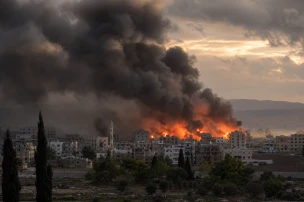

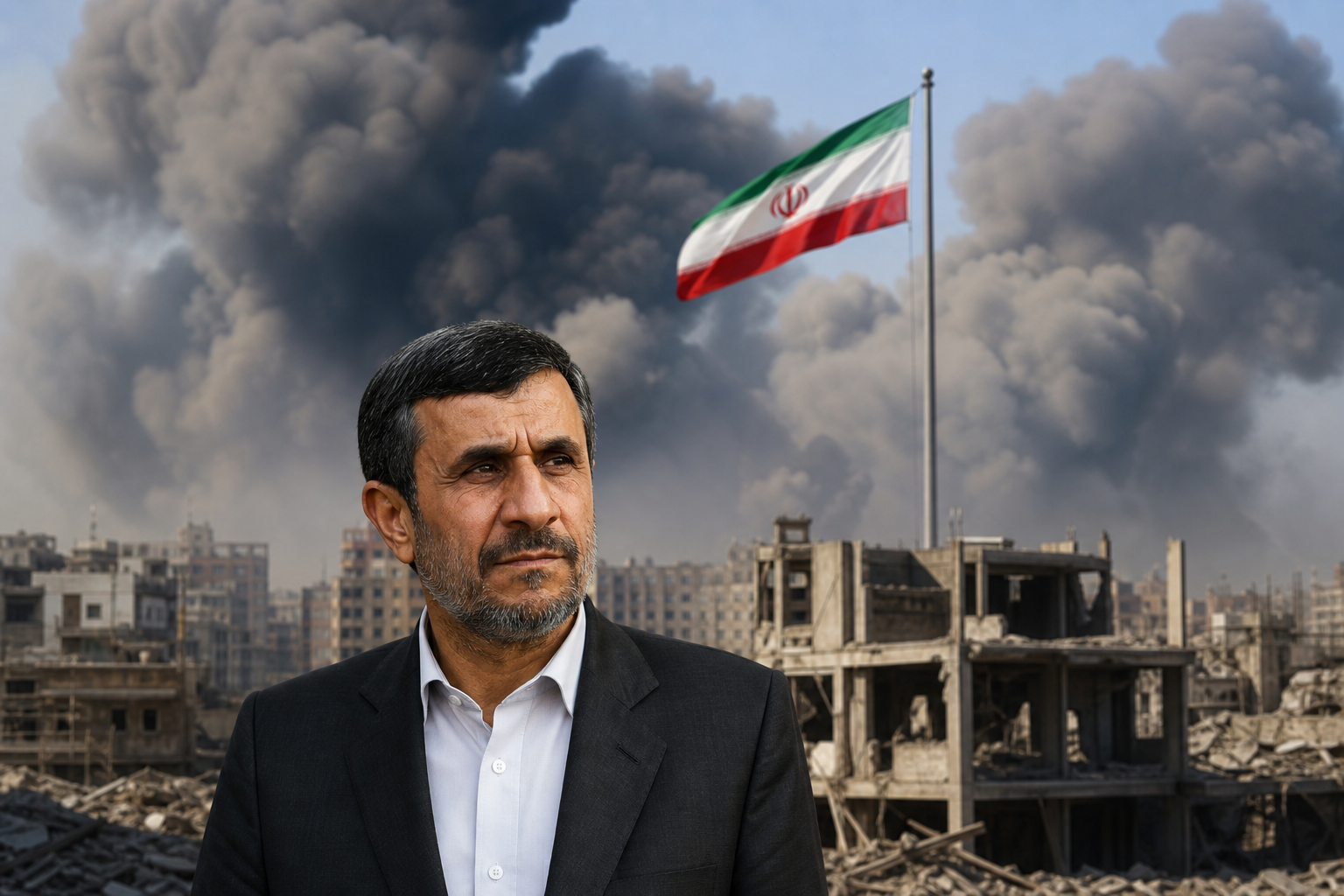
Israeli forces struck former President Mahmoud Ahmadinejad's residence in Tehran on the first day of the 2026 Iran war.
The February 28, 2026, operation aimed to free him from house arrest and install him as Iran's new leader after the killing of Supreme Leader Ali Khamenei.
U.S. officials briefed on the plan described the strike as a deliberate effort to achieve regime change by elevating the hardline former president.
An Israeli strike designed to free Mahmoud Ahmadinejad from house arrest in Tehran, U.S. officials said, was part of an effort to bring about regime change and put him in power.
The New York Times reported on May 19, 2026, that Israeli planners had consulted directly with Ahmadinejad before launching the attack.
According to the account, the mission formed the opening phase of a broader strategy to remove Iran's supreme leader and replace him with Ahmadinejad.
An associate of Mr. Ahmadinejad later characterized the raid in blunt terms.
In effect a jailbreak operation.
Ahmadinejad survived the strike but suffered injuries that left him disillusioned with the entire scheme.
He has not appeared in public since the February 28 attack.
Times of Israel liveblog coverage on May 19 confirmed the details from U.S. sources and noted that the plan collapsed once Ahmadinejad withdrew support.
ANI News reported on May 20 that American intelligence assessed the operation as a failed attempt to spark an internal power shift favorable to Israel.
The revelations underscore how early Israeli objectives extended beyond immediate military targets to direct political engineering inside Iran.
Officials familiar with the briefings said the effort required precise coordination to extract Ahmadinejad while striking leadership sites linked to Khamenei.
Once the former president became unavailable, the regime change component was abandoned.
Further analysis from regional security experts highlighted the complex logistics involved in such targeted operations amid ongoing regional tensions and the potential long-term implications for Middle East stability.