
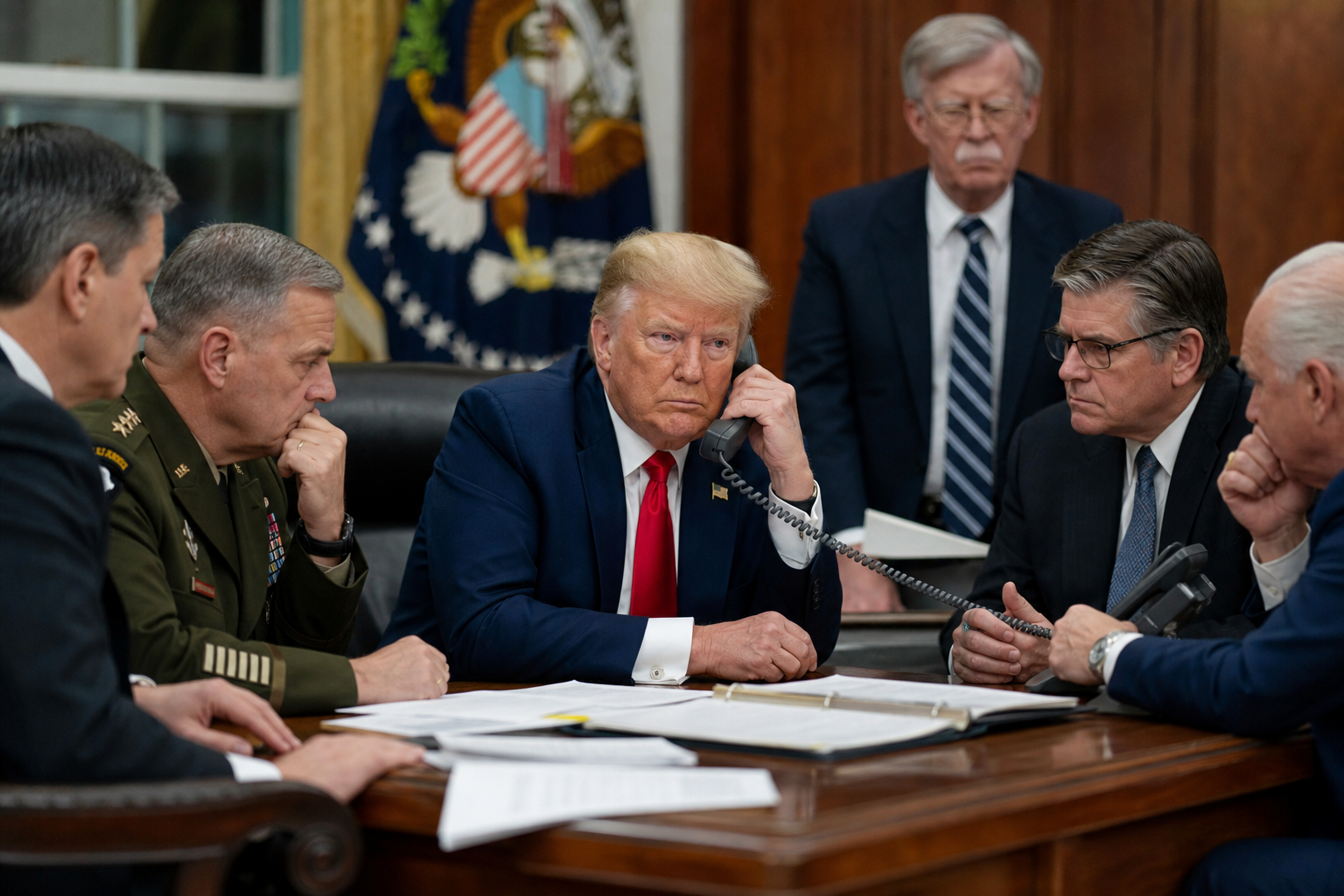
President Donald Trump authorized a major U.S. military attack on Iran and then postponed it within hours on May 18, 2026.
The announcement came directly from the White House as Trump addressed the sudden change in plans. He confirmed the original strike had been scheduled for the following day before Gulf leaders stepped in.
Three Gulf state leaders asked for additional time to finalize elements of a nuclear deal, according to reporting from The Washington Post. Trump accepted the request and halted the operation that had already received his approval.
We were getting ready to do a very major attack tomorrow, and I put it off for a little while, hopefully maybe forever, but possibly for a little while, because we’ve had very big discussions with Iran, and we’ll see what they amount to.
— President Donald Trump, White House address.
The New York Times reported the statement from Washington, noting how Trump both confirmed and canceled the operation in one breath. The decision tied into a two-week ceasefire framework outlined by AP News that same evening.
Trump framed the pause as temporary while talks continue. He left open the possibility that strikes could resume if negotiations fail to produce results.
Officials in Washington described the move as a calculated pause rather than a permanent shift in policy. The rapid reversal drew immediate attention from regional capitals monitoring U.S. intentions toward Iran.
No specific targets or timing details were released before the delay took effect. Military assets positioned for the operation remained in place pending further instructions.
The sequence marked another instance of Trump publicly threatening forceful action against Iran before stepping back to allow diplomatic channels to operate. Gulf leaders expressed relief that the immediate threat of strikes had receded for now.
Regional analysts watched closely as the events unfolded over the course of the day. The involvement of Gulf leaders underscored the importance of regional cooperation in addressing nuclear proliferation concerns. Trump emphasized that the discussions with Iran were substantial and could lead to positive outcomes if both sides remained committed to the process.
Further reports indicated that military readiness was maintained at high levels despite the postponement. This approach allowed for flexibility in responding to any developments in the ongoing talks. The White House continued to monitor the situation closely throughout the following days.
International reactions varied, with some allies expressing support for the diplomatic pause while others called for caution in dealing with Iran. The episode served as a reminder of the delicate balance between force and negotiation in foreign policy matters.