
American negotiators are pushing aggressively for indefinite troop deployments and broad veto authority over foreign investments in Greenland through a series of closed-door meetings.
These negotiations, which began in January 2026, have included about five confidential sessions in Washington involving representatives from the United States, Greenland, and Denmark. The goal is to address and defuse President Trump's earlier threats to take control of the strategically important island.
Greenlandic officials worry deeply about the trajectory these talks are taking. They see little room to maneuver given the power dynamics at the table.
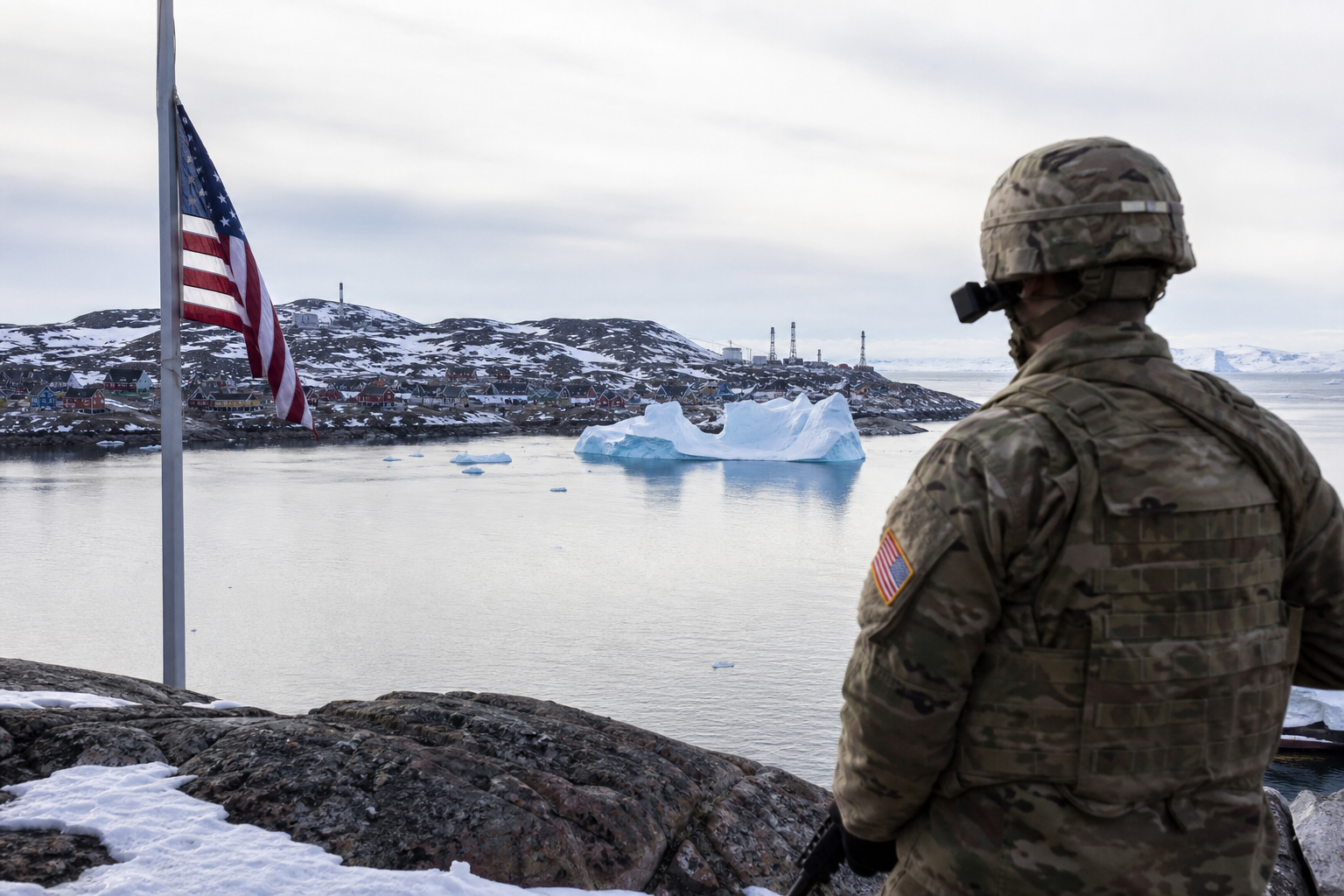
The U.S. side is insisting on maintaining a long-term military presence regardless of any future independence from Denmark. In addition, American demands include the ability to block major investment projects that might involve Russia or China.
Military planners at the Pentagon are already advancing related expansion projects. One such step involves sending a Marine Corps officer to evaluate old facilities from World War II at the site of Narsarsuaq in southern Greenland.
Justus Hansen, Member of Greenland’s Parliament, put it bluntly. He said, "If the Americans get everything they want, there will never be any ‘real independence.’" His comments reflect broader anxieties among local leaders about ceding too much ground.
Earlier threats of tariffs reaching 25 percent added pressure to the situation. The current talks represent an effort to find a diplomatic path forward instead of confrontation.
Coverage from The New York Times detailed the substance of these private discussions on May 18, 2026. Similar reports appeared in The Seattle Times and The Philadelphia Inquirer, underscoring the high stakes for all parties involved.
The lack of leverage for Greenland stems from its small size and reliance on Denmark for support. Any agreement reached will likely define the island's role in Arctic security for decades.
Discussions have focused on balancing American security interests with Greenland's aspirations for greater self-determination. Yet the American position appears to prioritize strategic control in the Arctic region.
Denmark, as the current sovereign power, plays a mediating role but faces its own constraints in the trilateral format. The outcome could reshape alliances in the North Atlantic.