
War-ravaged Ukraine holds the graphite reserves that could help Europe reduce its overwhelming dependence on China for electric vehicle batteries.
Analysis published May 15, 2026, by Forum Energii and Green Deal Ukraïna states Ukraine possesses Europe’s largest graphite reserves at 17.9 million tons. The report positions the country as a potential major supplier for the European Union’s clean energy transition.
In 2024 the EU mined less than 0.1 percent of its graphite needs and imported only 2 percent from Ukraine. China produced over 95 percent of global battery-grade graphite that year. Ukraine itself produced just 1,200 tons.
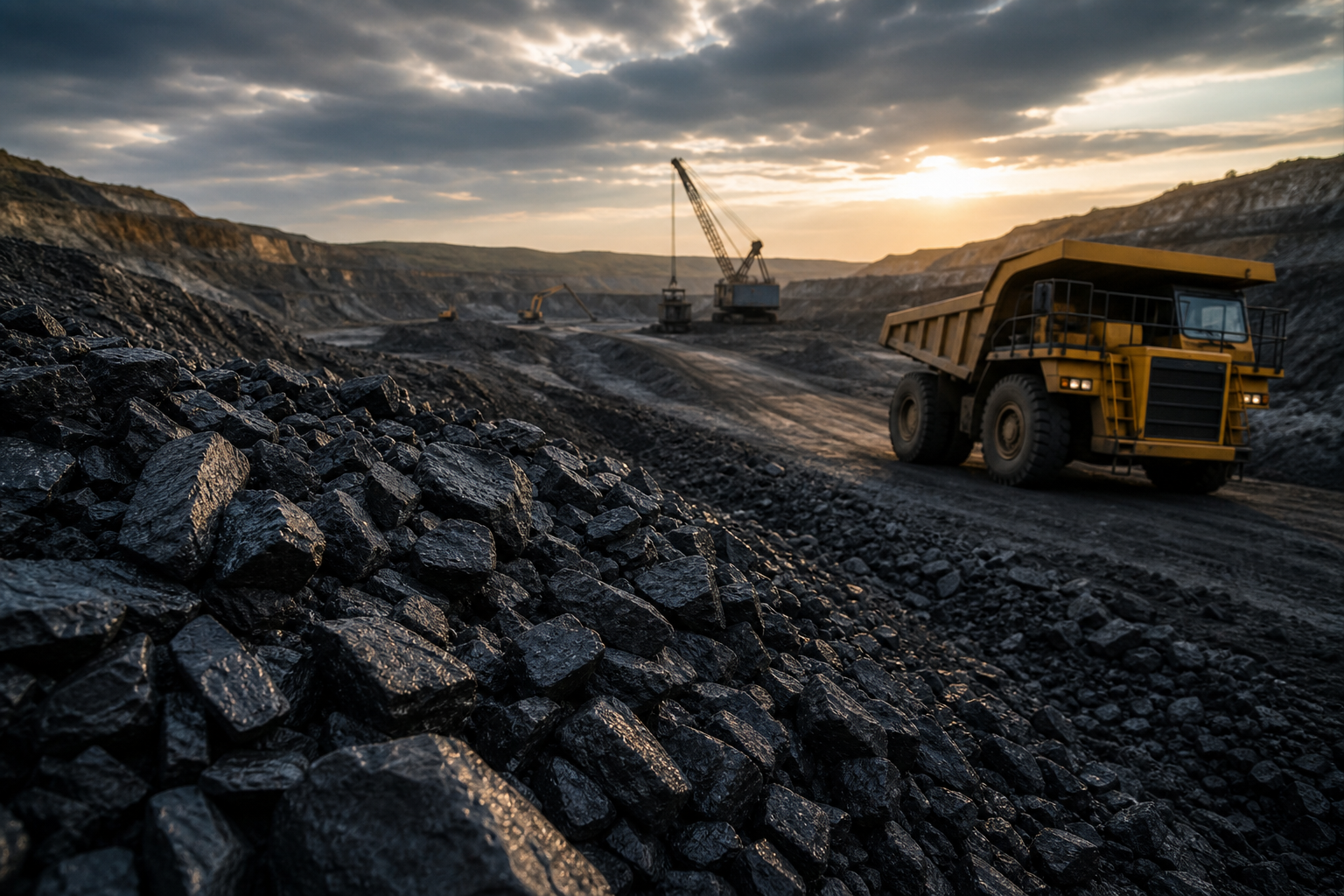
The Balakhivka graphite mine and processing plant project in central Ukraine has been designated an EU strategic project. If developed, it could meet 10 percent of Europe’s graphite consumption by 2030.
“Targeted investment here is exactly what Europe needs to diversify away from single-source dependencies,” said Danylo Moiseienko, analyst at Forum Energii and lead author of the report.
Ksenia Orynchak, CEO of the National Association of Extractive Industry of Ukraine, stressed the broader stakes. “The mining sector is very important for Ukraine’s reconstruction…If our government manages to stay strong and prioritises our extractive industries, our minerals will help rebuild our country,” she said.
Graphite serves as the primary material in anodes for lithium-ion batteries used in electric vehicles and energy storage. Europe’s push toward net-zero emissions has intensified demand while exposing supply-chain vulnerabilities tied to China.
The report notes that wartime conditions create logistical and security hurdles for mining operations. Yet it argues that targeted investment and stable governance could unlock Ukraine’s deposits quickly enough to support EU timelines.
Ukraine already maintains limited graphite extraction infrastructure that could expand with European technical and financial support. The Balakhivka site stands out because of its scale and existing designation as strategically important for the bloc.
Analysts at Climate Change News, which covered the findings, noted that successful development would mark one of the first large-scale shifts in critical raw-material flows from Ukraine into EU industrial supply chains since the full-scale invasion began.
Both the report authors and Ukrainian industry leaders view graphite production as part of wider post-war economic reconstruction. They argue that revenues from mineral exports could fund infrastructure repair and reduce reliance on external aid.