
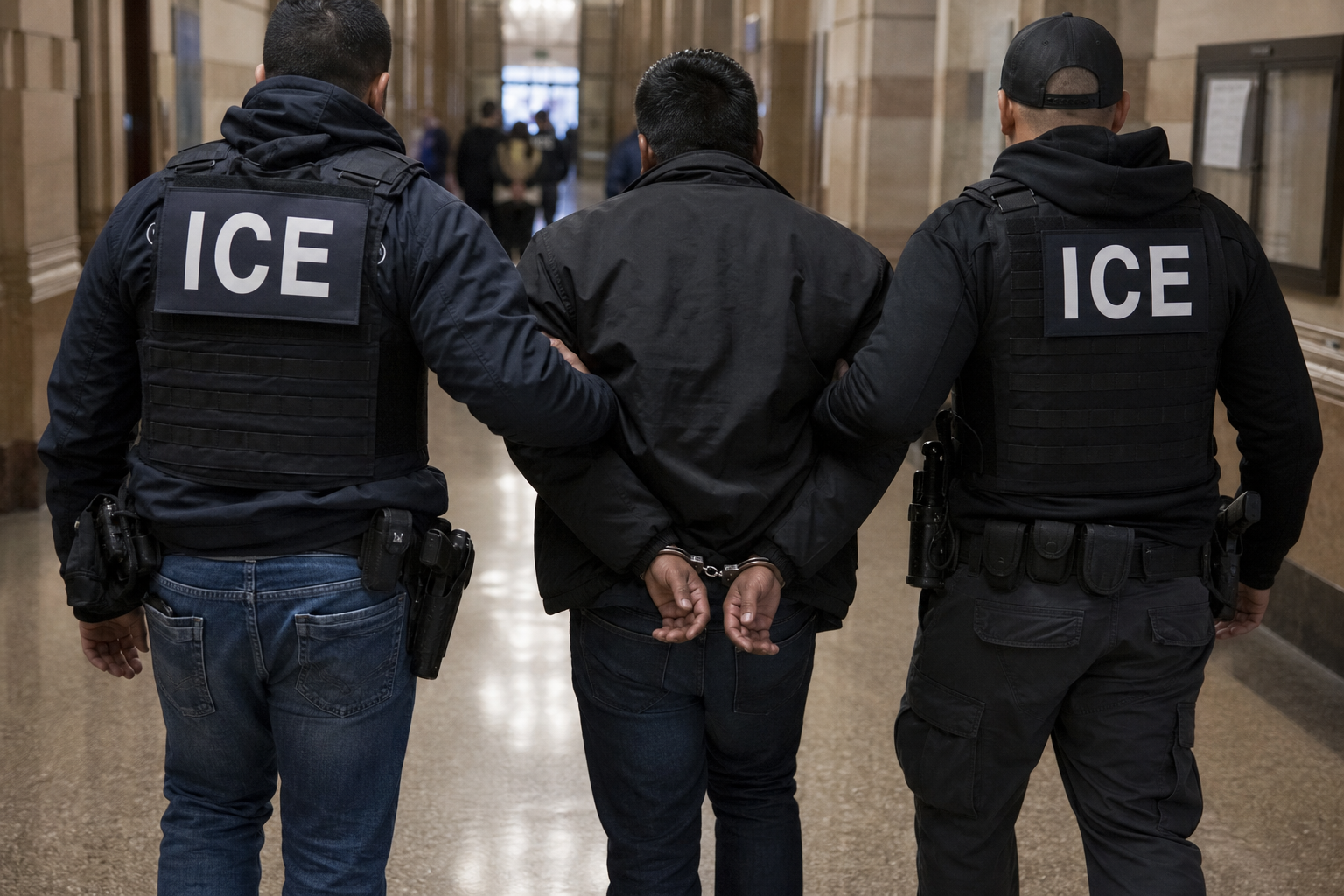
Masked ICE agents arrested a Honduran immigrant at a Manhattan courthouse on Tuesday in apparent defiance of a judge's order.
Vinely Alexander Castillo-Norales, who is 21 years old, faced detention at the immigration court located in 26 Federal Plaza, New York City. The arrest took place right after he attended a routine hearing there on May 19, 2026. Several agents participated in the operation while wearing masks to conceal their identities.
Just one day prior, on May 18, 2026, Judge P. Kevin Castel had put in place a prohibition against most ICE courthouse arrests across three Manhattan immigration courts. The order permitted such actions only under very limited and specific circumstances as outlined by the court.
Lawyers acting on behalf of Castillo-Norales expressed strong objections to what they viewed as an unauthorized action. "His arrest is in direct violation of an order in this court — issued just yesterday," attorneys representing Castillo-Norales declared in their response to the event.
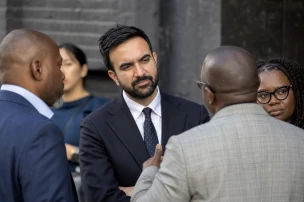
Father Fabian Arias, who was present as a court observer affiliated with Saint Peter’s Roman Catholic Church, described the unexpected nature of the arrest. "We said to the people don’t worry, they can’t detain more people... I can’t believe now — 20 minutes ago, it was in seconds. I was absolutely surprised," he recounted.
The man remained in custody for only a few hours before officials released him later that same Tuesday. Details regarding the decision to free him were not immediately made available to the public or media.
Journalists from The New York Times provided comprehensive coverage of the arrest, the preceding judicial order, and the statements issued by the legal team. Meanwhile, The City reported on the specific location and gathered reactions from advocates who witnessed parts of the incident. amNewYork focused its account on how the ICE agents proceeded despite the existence of the court order from the previous day.
The event underscores ongoing conflicts between federal immigration authorities and local judicial attempts to regulate enforcement activities within court facilities in the city. This case reflects broader challenges in balancing enforcement priorities with judicial oversight in immigration proceedings.