
A nature cruise meant for penguins and icebergs became a floating medical emergency when hantavirus struck the MV Hondius.
The Dutch-flagged vessel left Ushuaia, Argentina, on April 1, 2026, carrying roughly 150 passengers from 23 countries on a 33-day Atlantic Odyssey. By May 13 the World Health Organization had recorded 11 cases of Andes hantavirus: eight confirmed, two probable, and one inconclusive. Three people died.
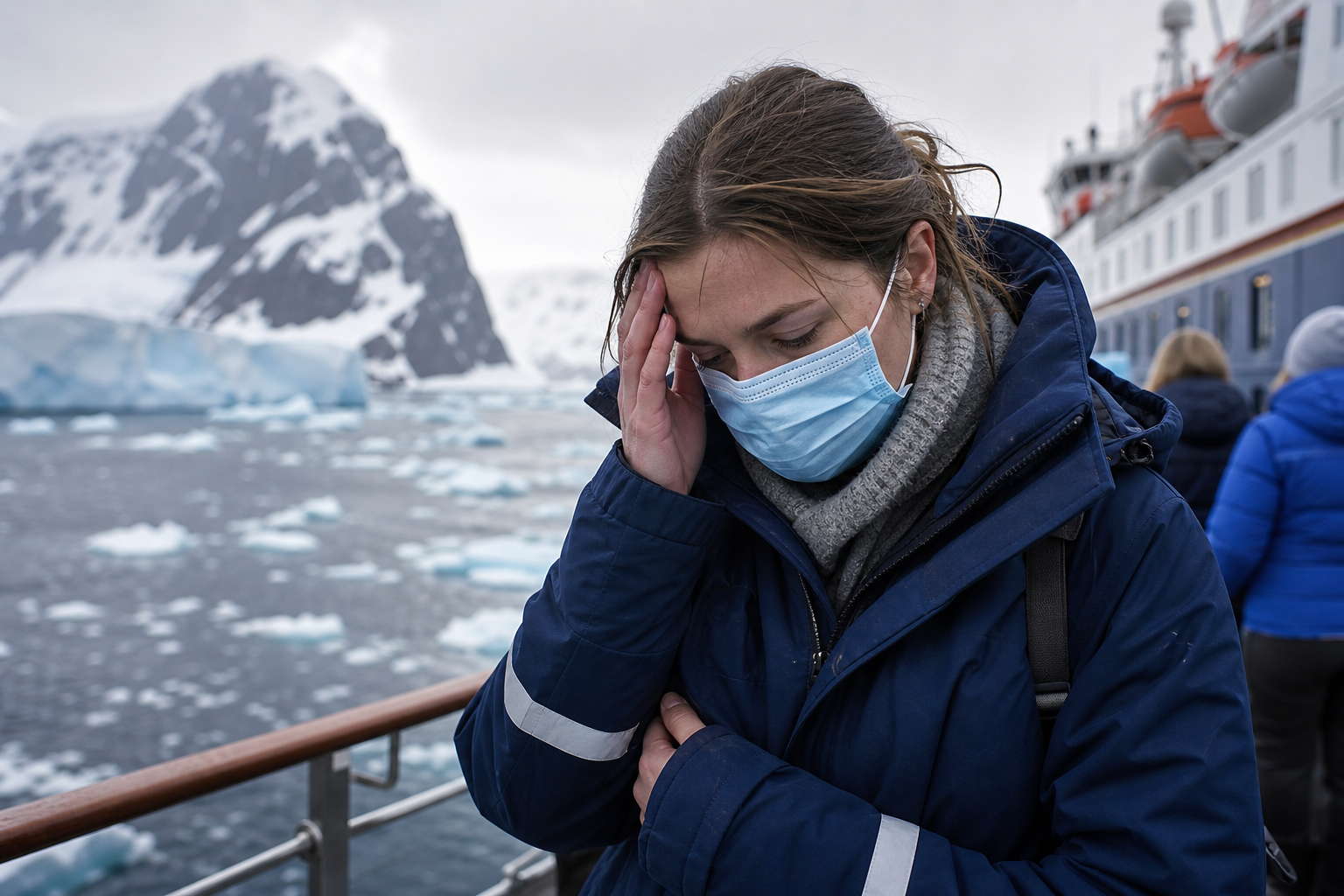
Symptoms appeared weeks into the voyage. Passengers reported sudden high fevers, muscle pain, and breathing difficulties. The ship’s limited medical facilities quickly became overwhelmed. Crew members isolated the sick in cabins while the vessel continued south before turning north toward the Canary Islands.
On May 11 the MV Hondius reached Tenerife. Health authorities evacuated remaining passengers and crew under strict protocols. The empty ship then sailed to Rotterdam for full decontamination. No rodents were discovered aboard, suggesting passengers likely contracted the virus during earlier shore excursions in Patagonia.
Tragic as it is, it was due to natural causes, we believe.
Emily Carter, an Australian passenger, described the fear that spread through the corridors. "We thought we were safe in the middle of the ocean," she said. "Then people started collapsing."
Dr. Liam O’Connor, a WHO epidemiologist who reviewed the case files, confirmed the virus strain. "Andes hantavirus is known in South America, yet its appearance on an isolated vessel surprised responders," he noted. The organization’s May 13 Disease Outbreak News update emphasized rapid testing and contact tracing once the ship reached port.
Another traveler, retired teacher Michael Rivera from Spain, spent two days in isolation before evacuation. "Every cough on the deck made everyone freeze," he recalled. "We had all watched what Covid did to the world."
Public health teams in Tenerife screened every person who left the ship. Contacts received monitoring instructions before flying home. The vessel’s disinfection in Rotterdam continues under Dutch maritime authorities.
The incident has renewed attention on viral risks during remote expeditions. With no rodents found on board, investigators now focus on possible exposure sites in Argentina and the Falkland Islands visited early in the itinerary. Captain Dobrogowski and the crew cooperated fully with the inquiry.