
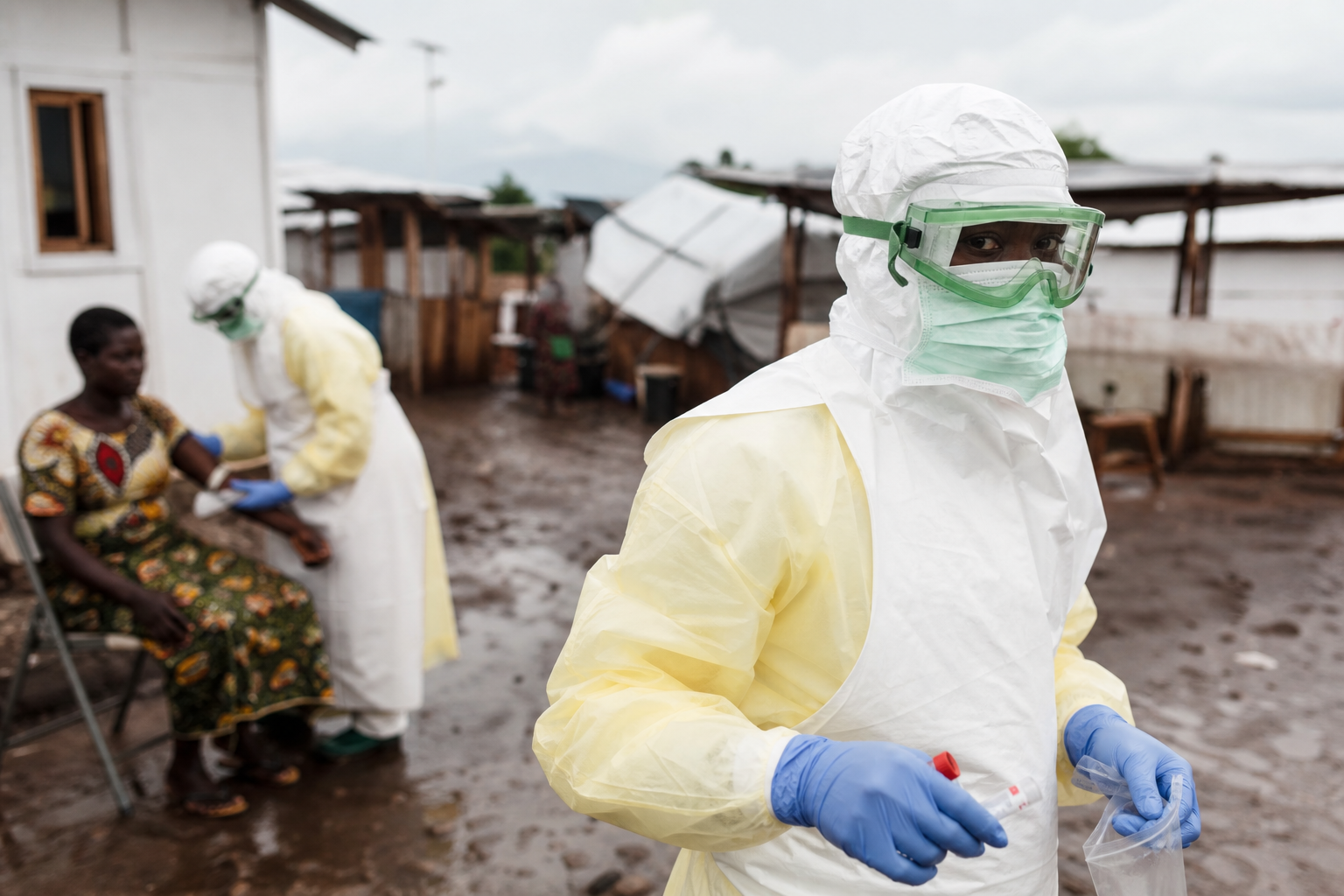
The Democratic Republic of Congo has declared its 17th Ebola outbreak in the eastern Ituri province. Local health systems face ongoing strain from limited resources and difficult terrain that complicates rapid response efforts across remote communities.
Confirmation of the Bundibugyo strain arrived on May 15 after the National Institute of Biomedical Research verified eight of 13 samples. The earliest case dates to April 24. Additional laboratory analysis continues to monitor viral mutations and confirm new infections as they arise in surrounding villages.
As of May 17, officials tallied 246 suspected cases and 80 deaths concentrated in the Mongwalu and Rwampara health zones near Bunia. Teams conduct daily assessments to update case numbers and adjust resource allocation accordingly.
Diagnostic shortages in remote clinics allowed the virus to circulate for weeks before samples reached Kinshasa for testing. Strengthening laboratory networks remains a priority to prevent similar delays in future incidents.
Minister Kamba warned that the absence of a vaccine or targeted therapy leaves response teams with only basic supportive care. Additional medical supplies are being prepositioned at key facilities to support patient management.
The World Health Organization dispatched a team to Ituri on May 5 carrying protective gear, testing kits, and treatment supplies. Coordination meetings occur regularly to align activities among all partners involved in the response.
Porous borders with Uganda and South Sudan create constant movement that raises the risk of cross-border spread. Surveillance posts have been established at major crossing points to screen travelers for symptoms.
Security incidents in Ituri continue to block access to some villages and slow contact tracing operations. Negotiations with local leaders aim to improve safe access for health teams.
Health workers now focus on isolating patients, tracing contacts, and urging residents to report fever and bleeding symptoms at once. Public awareness campaigns emphasize early detection and safe burial practices to reduce transmission.
Community health volunteers play a vital role by educating families on prevention measures and encouraging prompt medical seeking behavior. Ongoing training ensures volunteers can identify warning signs accurately and refer cases appropriately.