
Drone strikes by Ukraine on Russian oil facilities have triggered the largest oil spill along the Black Sea coast in recent memory.
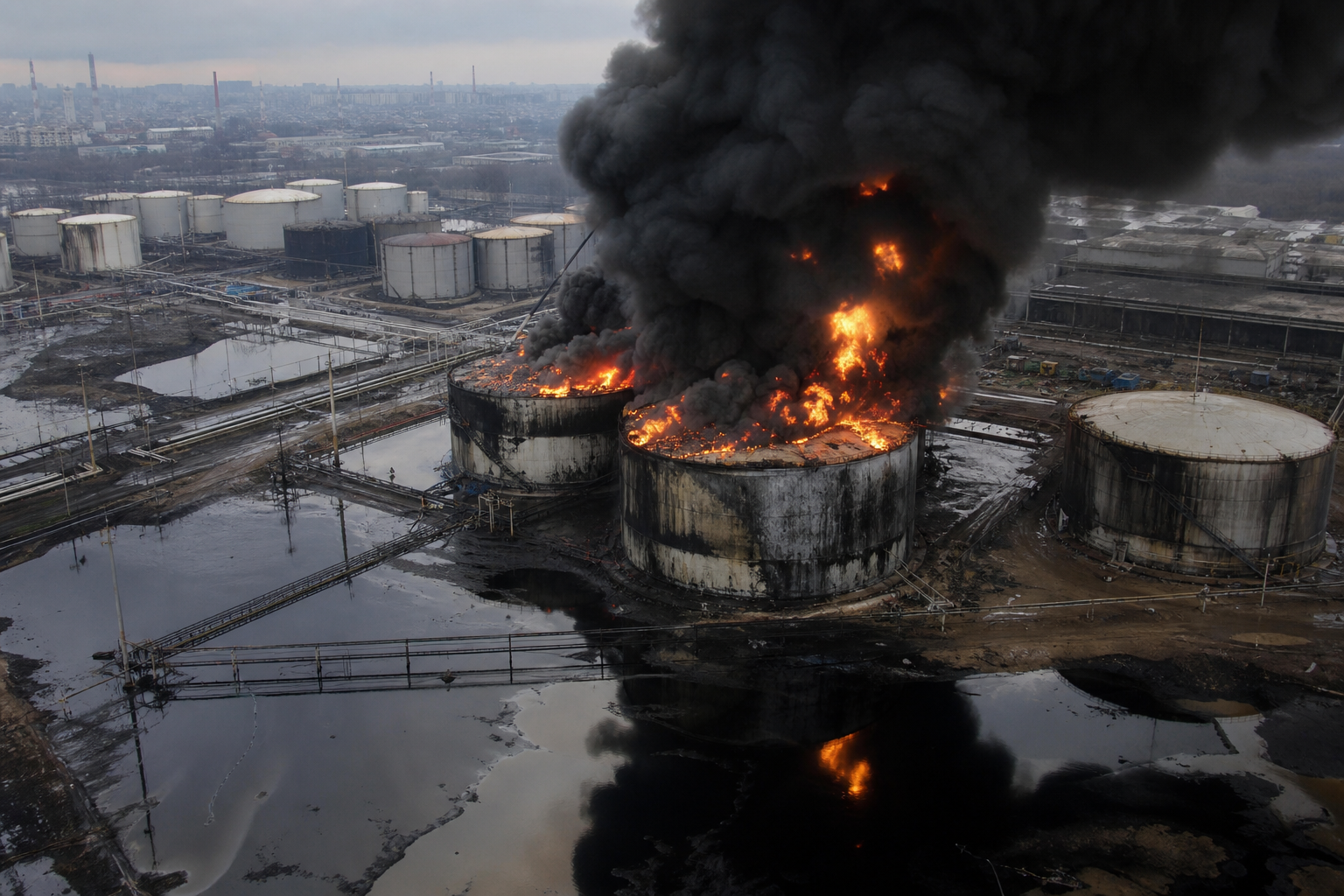
Between April 16 and early May 2026, Ukrainian drones hit the Tuapse oil refinery and terminal four times. The attacks ruptured storage and processing equipment, releasing crude oil directly into coastal waters and onto shorelines near the port city.
Local environmental activist Yevgeny Vitishko called the event the biggest oil spill along Russia’s Black Sea coast during his lifetime. Thick smoke from resulting fires produced black rain that carried soot and chemicals over residential areas, raising fears of long-term soil and water contamination.
Authorities have already carted away roughly 1 million cubic feet of tainted pebbles and soil from the affected coastline. The scale of the cleanup underscores the direct environmental cost of the strikes, which Ukrainian forces conducted to reduce Russian oil export revenue that finances the war.
Separate action compounded the picture. On May 7, 2026, another Ukrainian drone assault struck the Perm oil refinery farther inland. Equipment damage and fires forced the facility to halt all processing operations, according to reports from the site.
Since the full-scale invasion began more than four years ago, Russian forces have repeatedly been linked to ecological harm inside Ukraine through damaged industrial sites and neglected infrastructure. The recent Ukrainian operations have reversed that pattern, bringing visible pollution to Russian territory itself.
Residents near Tuapse now face disrupted fisheries and potential health effects from airborne pollutants. Russian officials have labeled the attacks as reckless assaults on energy infrastructure, while Ukrainian statements frame the targets as legitimate economic pressure points in the ongoing conflict.
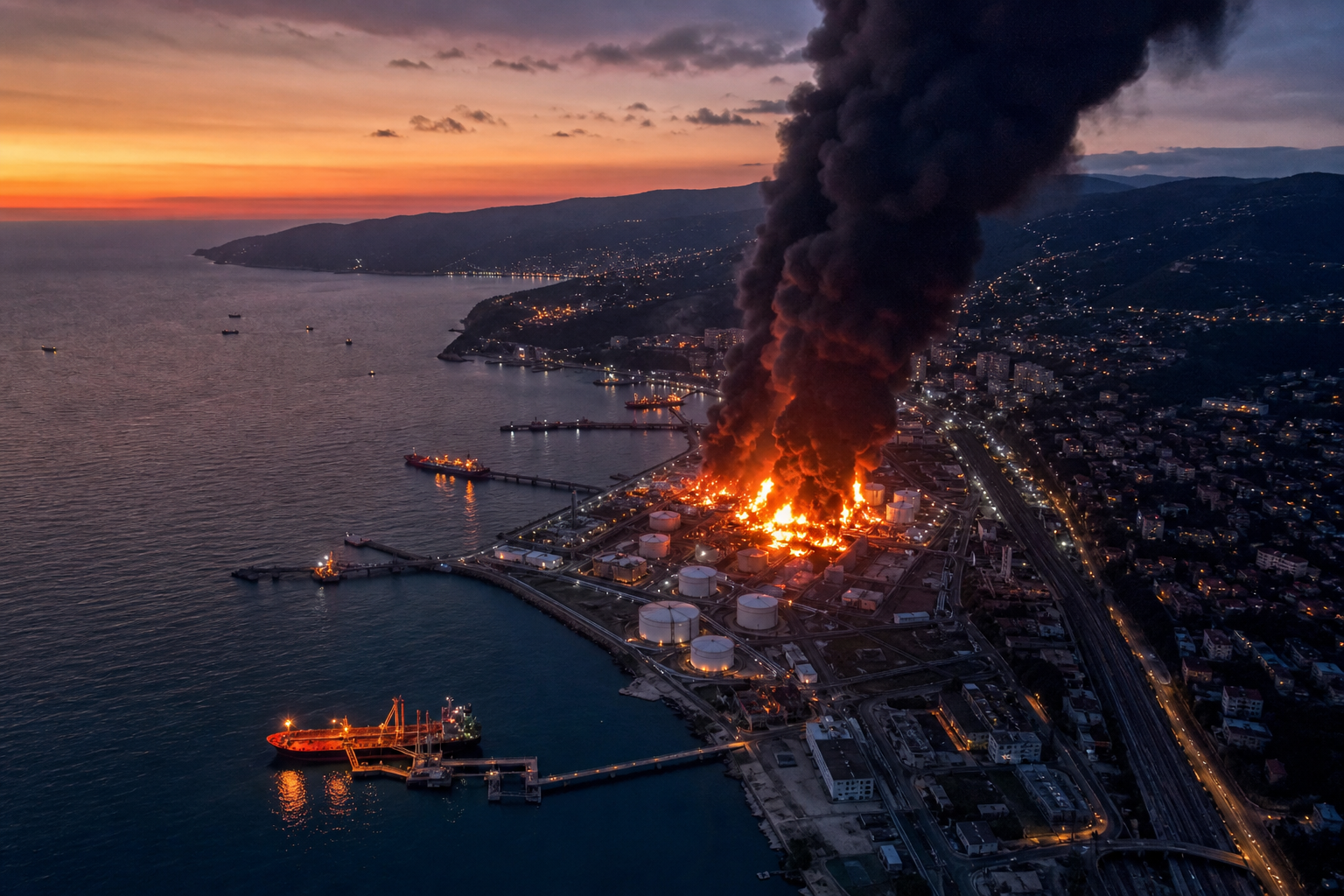
The incidents highlight the environmental risks that accompany strikes on oil infrastructure regardless of which side conducts them. Contaminated runoff continues to threaten marine habitats in the enclosed Black Sea, where recovery from large spills is typically slow.