

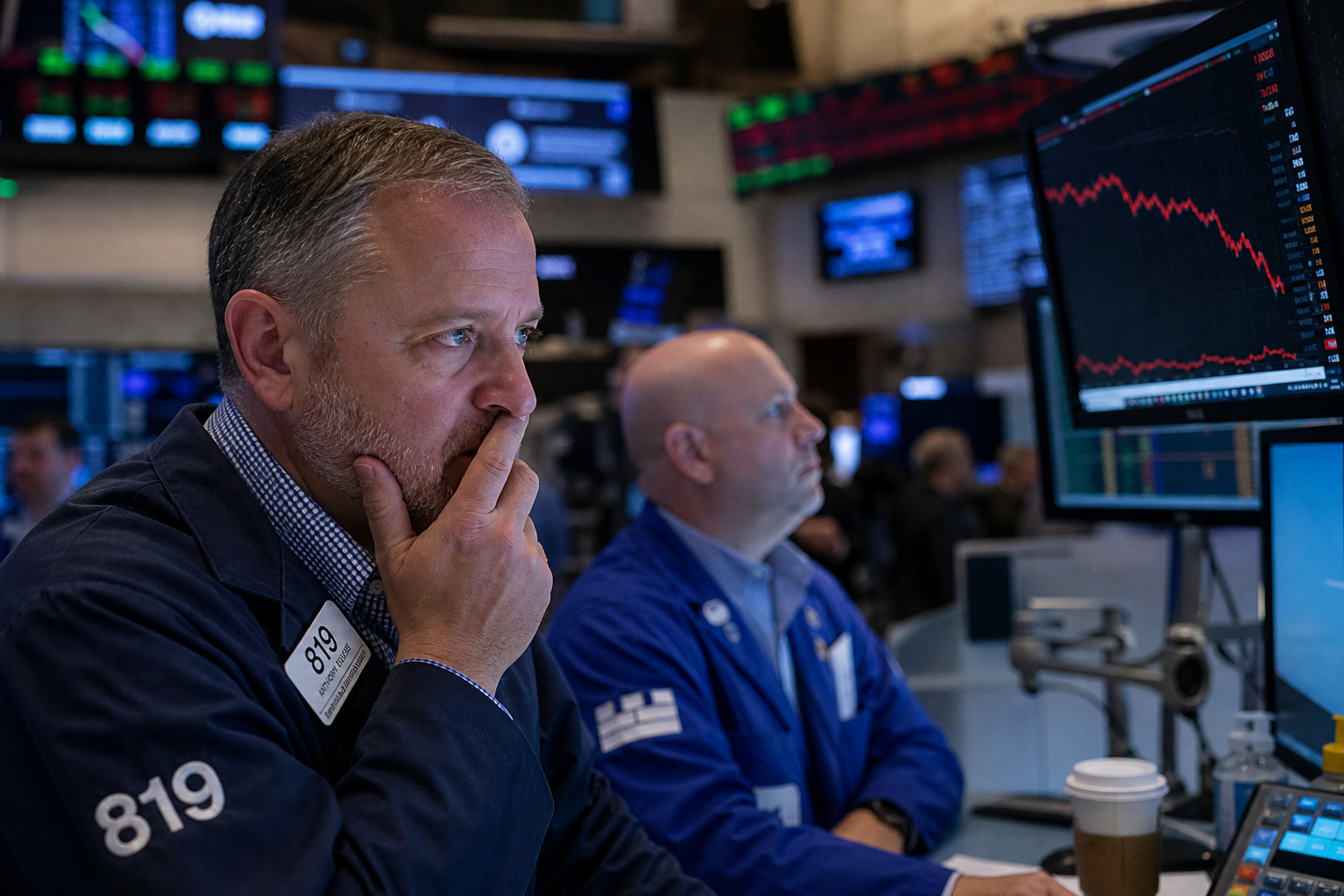
US inflation readings for April came in hotter than anticipated, sending Treasury yields climbing and leaving stock markets unsettled.
The Bureau of Labor Statistics reported on May 12 that the Consumer Price Index rose 0.6 percent month-over-month and 3.8 percent year-over-year, up from 3.3 percent in March. The jump exceeded forecasts and marked the fastest annual pace in several months.
Producer prices surged even more dramatically. Data released May 13 showed the Producer Price Index climbing 1.4 percent in April against an expected 0.5 percent gain, with the prior month revised to 0.7 percent. The annual rate reached 6.0 percent, the largest increase since December 2022. Core measures also showed broad-based gains across goods and services categories, underscoring that price pressures remain entrenched beyond volatile food and energy components. Analysts noted that supply chain frictions and wage growth continued to feed into these readings, complicating efforts to bring inflation back to target levels.
The twin reports immediately lifted 10-year Treasury yields. Equities finished mixed across the next two sessions, with technology shares providing the main support while other sectors lagged. Bond markets saw notable selling pressure as investors adjusted portfolios to account for potentially higher-for-longer borrowing costs. Volatility indexes ticked higher, reflecting uncertainty over how policymakers might respond in coming meetings.
"The jump in input prices portends further increases for consumer prices in May. We expect the hawkish wing of the FOMC to advocate for an extended pause in interest rates even with incoming Fed Chair Kevin Warsh likely to prefer to lower rates over time," said Ben Ayers, senior economist at Nationwide.
"Inflation is sticky and accelerating. The core reading confirms a deeper structural trend, especially in services. The Hormuz crisis is aggravating the problem, but this goes way beyond oil," said David Russell, global head of market strategy at TradeStation.
Traders quickly adjusted rate expectations. Odds of at least one hike by year-end rose to roughly 39 percent following the releases. Markets now price in a longer period of elevated policy rates than previously anticipated. Currency markets also reacted, with the dollar strengthening against major peers as higher yields attracted inflows. Looking ahead, upcoming retail sales and employment figures will provide further clues on whether these inflation trends persist or moderate in the months ahead.