
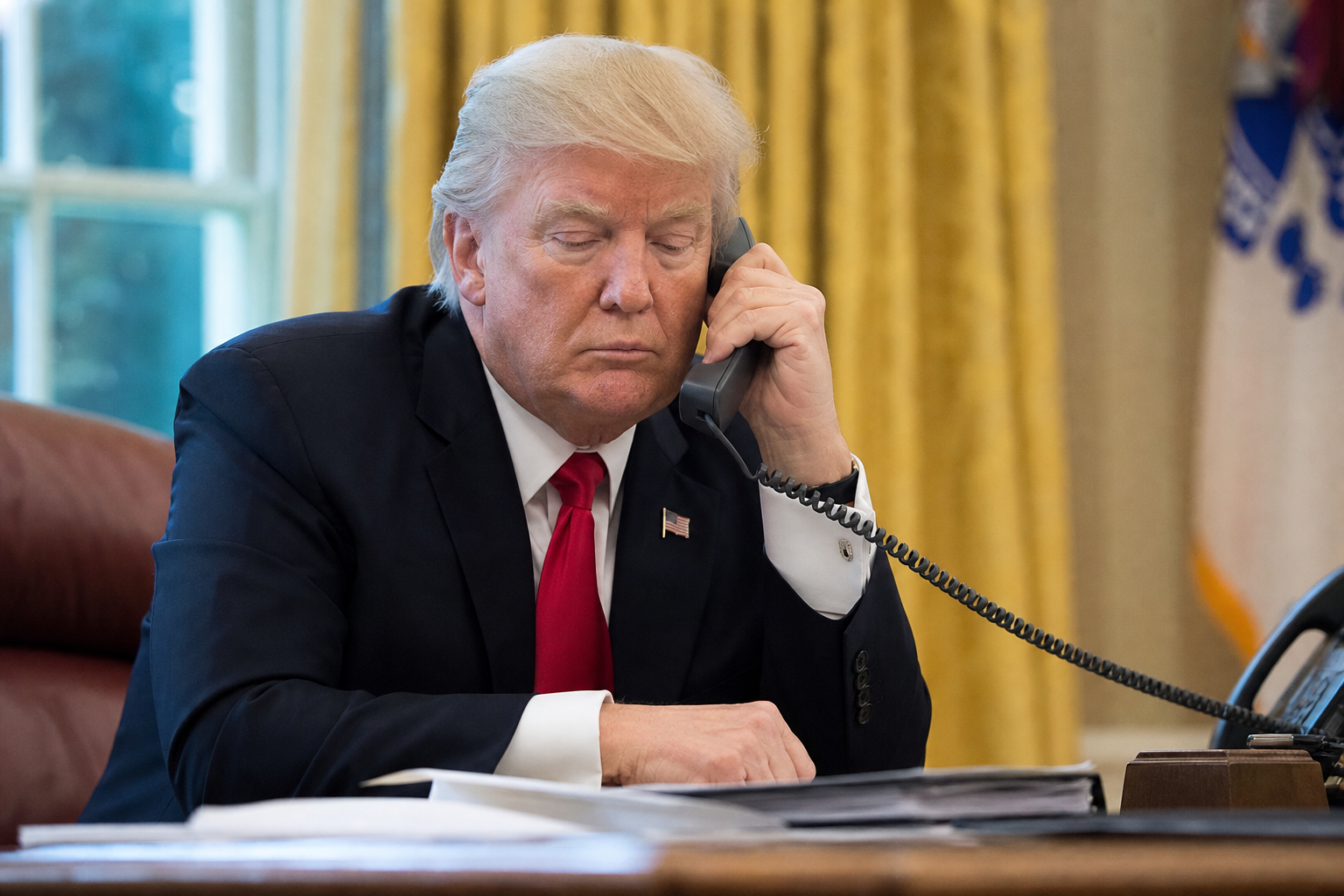
President Donald Trump has called off a planned US attack on Iran scheduled for Tuesday after receiving direct requests from leaders in Qatar, Saudi Arabia and the United Arab Emirates.
The announcement came late on May 18, 2026, through a post on Truth Social. Trump stated that he instructed top defense and military officials to cancel the operation amid what he described as advancing diplomatic efforts.
"Based on my respect for the above-mentioned leaders, I have instructed Secretary of War, Pete Hegseth, the Chairman of the Joint Chiefs of Staff, General Daniel Caine, and the United States Military that we will NOT be doing the scheduled attack of Iran tomorrow," Trump wrote.
The president explained that the Gulf leaders had approached him with updates on ongoing talks. They conveyed that the discussions focus on securing a deal ensuring Iran remains free of nuclear weapons while satisfying American and regional security concerns.
"Serious negotiations are now taking place, and that, in their opinion, as Great Leaders and Allies, a Deal will be made, which will be very acceptable to the United States of America, as well as all Countries in the Middle East, and beyond," Trump added in the same post.
US forces received clear orders to stand down from the immediate strike yet stay fully prepared to execute a large-scale operation if the talks collapse without a satisfactory outcome. The president stressed that readiness remains essential until an agreement is secured.
Reports from BBC, the Jerusalem Post and Al Jazeera corroborated the details of the postponement. The coverage highlighted how the appeals from the three Gulf capitals influenced the timing of the decision during a period of heightened regional tension over Iran's nuclear program.
Trump presented the pause as a temporary measure tied directly to the diplomatic window opened by the Gulf allies. He indicated that any final arrangement must address core US interests while gaining broad acceptance across the Middle East.
Military planners now monitor the progress of the negotiations closely. The United States continues to keep assets positioned for rapid response should the diplomatic path fail to deliver the required assurances on Iran's nuclear activities.